Winter safety for older adults

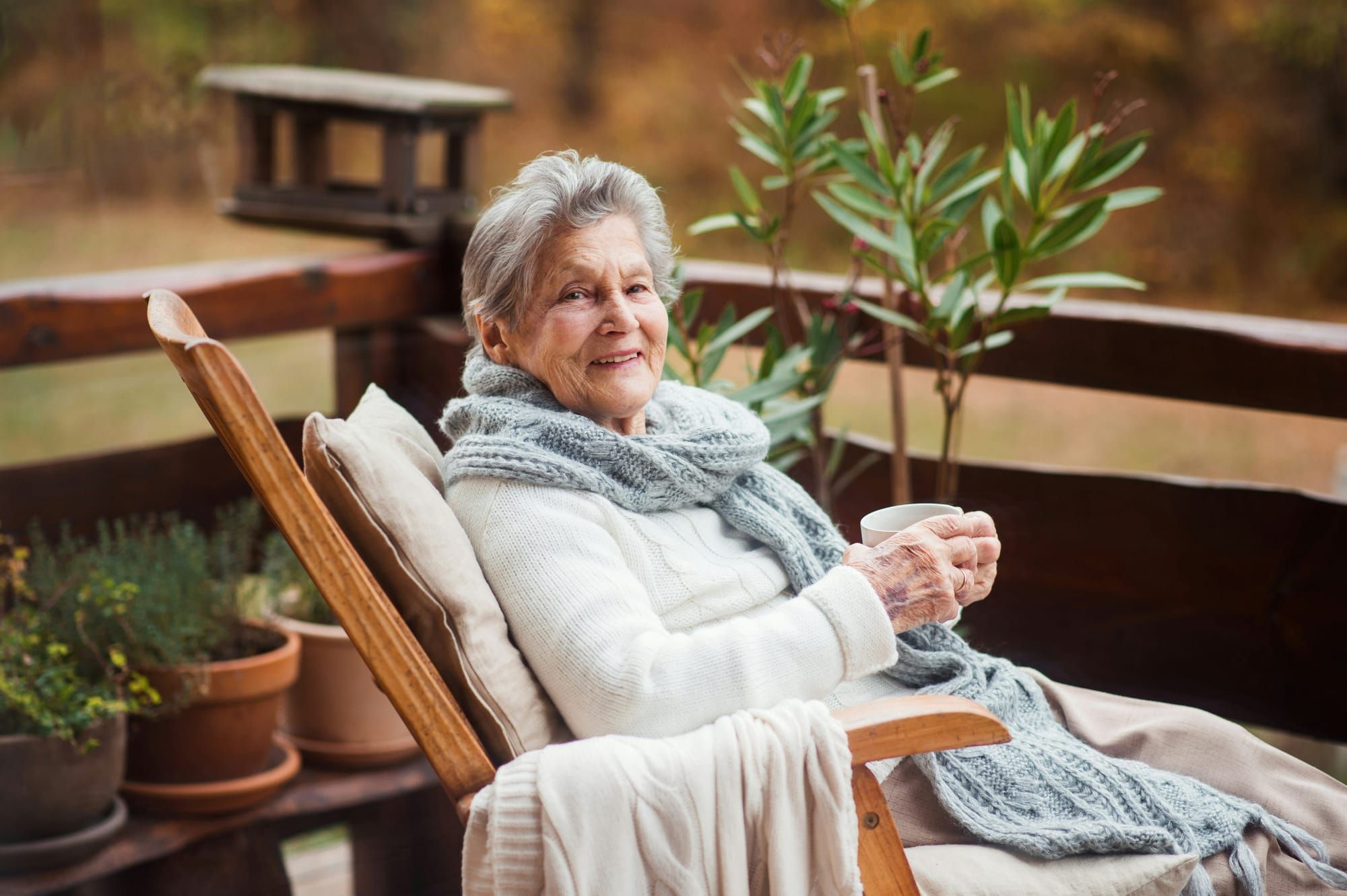
Winter has its own quiet beauty, but for older adults the colder months bring some very real risks. Cold weather is harder on the ageing body than many people realise, and it comes bundled with slippery pavements, dark afternoons, and the seasonal bugs that tend to hit older people hardest.
With a little preparation and care, though, these risks can be managed, and your loved one can stay safe, warm and well right through to spring. Here is how to help them through the winter.
Why winter is riskier for older adults
As we age, the body becomes less able to hold on to heat and to sense the cold, which makes older people both more likely to feel the chill and more prone to becoming dangerously cold. Cold weather also puts extra strain on the heart and circulation, and it is peak season for flu and chest infections, which can be far more serious in later life. Add icy paths and early darkness, which raise the risk of falls, and the worry that some older people ration their heating to save money, and it is easy to see why winter deserves a little extra attention.
Keeping warm at home
A warm home is the foundation of a safe winter. A few things help:
- heat the rooms being used to a comfortable temperature, aiming for around 18°C or above, and keep the bedroom warm too
- dress in several thin layers rather than one thick one, as layers trap warmth better
- use warm bedding, and a hot water bottle or an electric blanket, but never both at once, and follow the safety instructions
- enjoy warm meals and hot drinks through the day
- keep gently moving, as staying active helps the body stay warm
No one should go without heat
Here is an important point: no one should be sitting in the cold because they are worried about the cost of heating. There is often financial help available towards energy and heating bills for older people, and it is well worth checking what your loved one might be entitled to. Age UK and gov.uk are good places to look, and a quick check could make a real difference to their comfort and safety.
Preventing winter falls
Ice, snow, wet leaves and dark afternoons all make falls more likely. To reduce the risk:
- keep paths and doorsteps clear and gritted in icy weather
- make sure outdoor and indoor lighting is good, as the evenings draw in early
- wear sturdy, well-fitting shoes with a good grip
- take extra care outdoors, or stay in altogether, during icy spells
- keep the home well stocked so there is less need to go out in harsh weather
Guarding against winter illness
Winter is the season for flu, chest infections and other bugs that can be genuinely serious for older people. The flu vaccine, along with other recommended vaccinations such as the COVID booster, is offered free on the NHS to older adults and is well worth taking up each year. Alongside that, keeping warm, eating well and washing hands regularly all help keep illness at bay. If your loved one does become unwell, it is best to seek medical advice early rather than waiting.
Eating well and staying hydrated
Warm, nourishing meals and regular hot drinks help keep the body warm and strong through the cold months. And although we tend to think of dehydration as a summer worry, it is easy to drink too little in winter too, so keep fluids up as well.
Staying active and connected
The cold, dark months can be isolating, and spending more time indoors can affect both body and spirits. Gentle indoor activity helps keep your loved one mobile and warm, and regular contact, a visit, a phone call, a familiar face, can lift the mood enormously when the days are short and grey. Company matters just as much as warmth.
Being prepared
It is wise to keep the home stocked with food, medications and everyday essentials, so your loved one does not have to venture out in bad weather. It is also worth being ready for the occasional power cut: keep a torch, warm blankets and a charged phone to hand, along with any important numbers.
Check in, and know the signs
Try to check on older loved ones regularly during cold snaps, especially anyone living alone. It is also worth knowing the signs of hypothermia, which can be surprisingly subtle in older people: shivering, cold or pale skin, unusual tiredness, confusion or drowsiness, or slurred speech. If you suspect it, warm them gradually with blankets and a warm (not hot) drink, and seek medical help, calling 999 if they are very unwell or difficult to rouse.
How live-in care helps
Winter is one of those times when having someone on hand is a genuine comfort. A live-in carer keeps the home warm, makes sure your loved one is well-fed, warm and safe from falls, helps them get to vaccinations and appointments, and keeps them company through the darkest, coldest months. Just as importantly, they stay alert to any sign of cold or illness, so they can act quickly if needed.
For families who cannot always be there when the weather turns, it offers real peace of mind.
A safe and cosy winter
With a little preparation and the right support, winter can be a warm, safe and even lovely time for your loved one. And if you would like a hand keeping them well through the season, we are always here to help.
Book a free care advice call, or give us a ring on 020 3970 9900.
This guide offers general information and is not a substitute for medical advice. For the latest health guidance, vaccination information, and advice on specific symptoms, please see the NHS website or speak to a GP or pharmacist. In an emergency, call 999.