Sleep problems in older adults: causes and home-based solutions

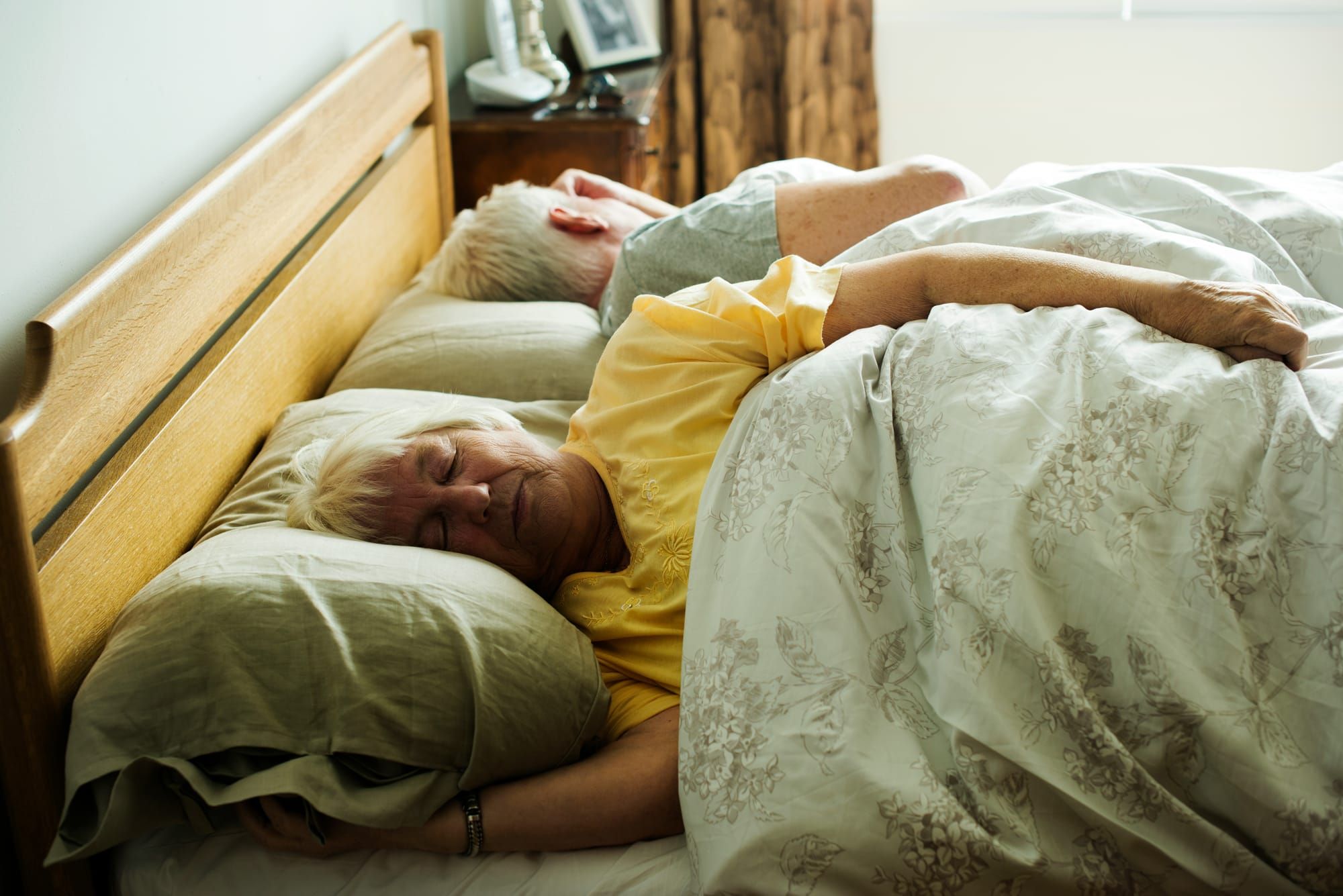
A bad night's sleep is miserable at any age. In later life, it can be more than that. Poor sleep drains energy and lifts anxiety, but it also raises the risk of falls, clouds memory and concentration, lowers mood, and makes existing health problems harder to manage. And when an older person is awake and restless at night, the whole household often loses sleep with them.
The encouraging news is that sleep problems are rarely inevitable, and there is a great deal that can help. Here is what tends to disturb sleep in later life, and what actually works at home.
Sleep does change with age
Some changes are simply part of getting older. As we age, sleep tends to become lighter and more easily broken, and many older people find themselves waking more often in the night, going to bed and waking earlier, and napping more during the day.
The total amount of sleep needed does not really change much, but the ability to get it in one solid, uninterrupted block often does. So some disruption is normal. Persistent, exhausting, quality-of-life-sapping sleeplessness, however, is not something anyone should just have to put up with.
Common causes of poor sleep in later life
Sleep problems usually have a reason, and finding it is the key to fixing it. Common culprits include:
- Pain and discomfort, from arthritis, cramp or other long-term conditions.
- Needing the toilet in the night, one of the most frequent causes of broken sleep in older people.
- Medication, as some medicines interfere with sleep, or need to be taken at times that disturb it.
- Health conditions, including heart and lung problems, restless legs, and sleep apnoea, where breathing is interrupted during sleep, often with loud snoring.
- Anxiety, low mood or depression, which very often show up first as poor sleep.
- Dementia, which can disrupt the body clock and cause restlessness or agitation in the late afternoon and evening, sometimes called sundowning.
- Inactivity and too little daylight, which weaken the natural sleep and wake rhythm.
- Daytime napping, which can be lovely, but too much, or too late in the day, borrows from the night.
- Loneliness and boredom, which can make evenings long and nights restless.
- Alcohol, caffeine or a heavy meal late in the day.
Home-based solutions that genuinely help
Most of what helps is simple and practical, and it tends to work best when done consistently.
Keep a steady routine. Going to bed and getting up at roughly the same times each day, even at weekends, does more for sleep than almost anything else.
Get daylight and activity into the day. Natural light, especially in the morning, and some gentle exercise help set the body clock and build a healthy tiredness by evening.
Be thoughtful about napping. A short early-afternoon rest is fine. Long or late naps are not, as they steal from the night.
Make the bedroom right for sleep. Cool, dark, quiet and comfortable. Blackout curtains, a good mattress, and a bedroom kept for sleeping rather than for daytime living all help.
Wind down properly. A calm hour before bed, with a warm drink, a bath, some music or a book, tells the body that sleep is coming. Screens and bright light in the last hour do the opposite.
Watch the evening food and drink. Caffeine well before bedtime, alcohol in moderation, and no heavy late meals. Cutting fluids down a little in the evening can also reduce night-time trips to the toilet, though hydration through the day still matters.
Deal with pain. If discomfort is the culprit, speak to a GP or pharmacist. There is often more that can be done.
Make night-time trips safe. Since getting to the bathroom in the dark is a common cause of falls, good lighting, a clear path and a night light are essential.
Ease the mind. Company, conversation and a sense of purpose during the day help settle anxieties that would otherwise surface at 3am.
When to speak to a GP
Some sleep problems need medical attention rather than a change of routine. It is worth speaking to a GP if your loved one:
- snores loudly and seems to stop breathing or gasp in their sleep, which can indicate sleep apnoea
- is in pain at night
- seems low, anxious or depressed
- is excessively sleepy during the day
- has had a sudden or significant change in their sleep
- may be affected by their medication
It is also worth reviewing medications with a GP or pharmacist, as timing changes can sometimes make a real difference. And a gentle word of caution: sleeping tablets are not usually a good long-term answer for older adults, as they can increase the risk of falls and confusion, so they should only ever be used under a doctor's guidance.
How live-in care helps
Sleep is one of the areas where having someone in the home makes a genuine difference, in both directions.
A live-in carer helps build the daily rhythm that supports good sleep: a consistent routine, daylight and activity during the day, sensible napping, good meals, a calm evening wind-down, and company that keeps the mind settled. They also help make night-time safer, so a trip to the bathroom does not become a fall.
And if your loved one does wake in the night, they are not alone. Their carer is there, ready to help them to the bathroom, ease discomfort, or simply offer a reassuring presence in the small hours, which for someone who becomes frightened or disoriented at night can be worth more than anything. Our guide to night-time care explains more about how this works.
There is a benefit for families here too. If you have been the one getting up in the night, or lying awake worrying, live-in care means you can finally get some rest as well.
Better nights, better days
Good sleep is not a luxury. It is one of the foundations of health, safety and happiness in later life. With the right routines, the right support, and medical advice where it is needed, most older people can sleep considerably better than they are.
If sleepless nights are taking their toll on your loved one, or on you, we would be glad to talk through how we could help.
Book a free care advice call, or give us a ring on 020 3970 9900.
This guide offers general information and is not medical advice. If your loved one has persistent sleep problems, or you are concerned about their health, please speak to their GP.