Rehabilitation care at home: support for recovery after hospital

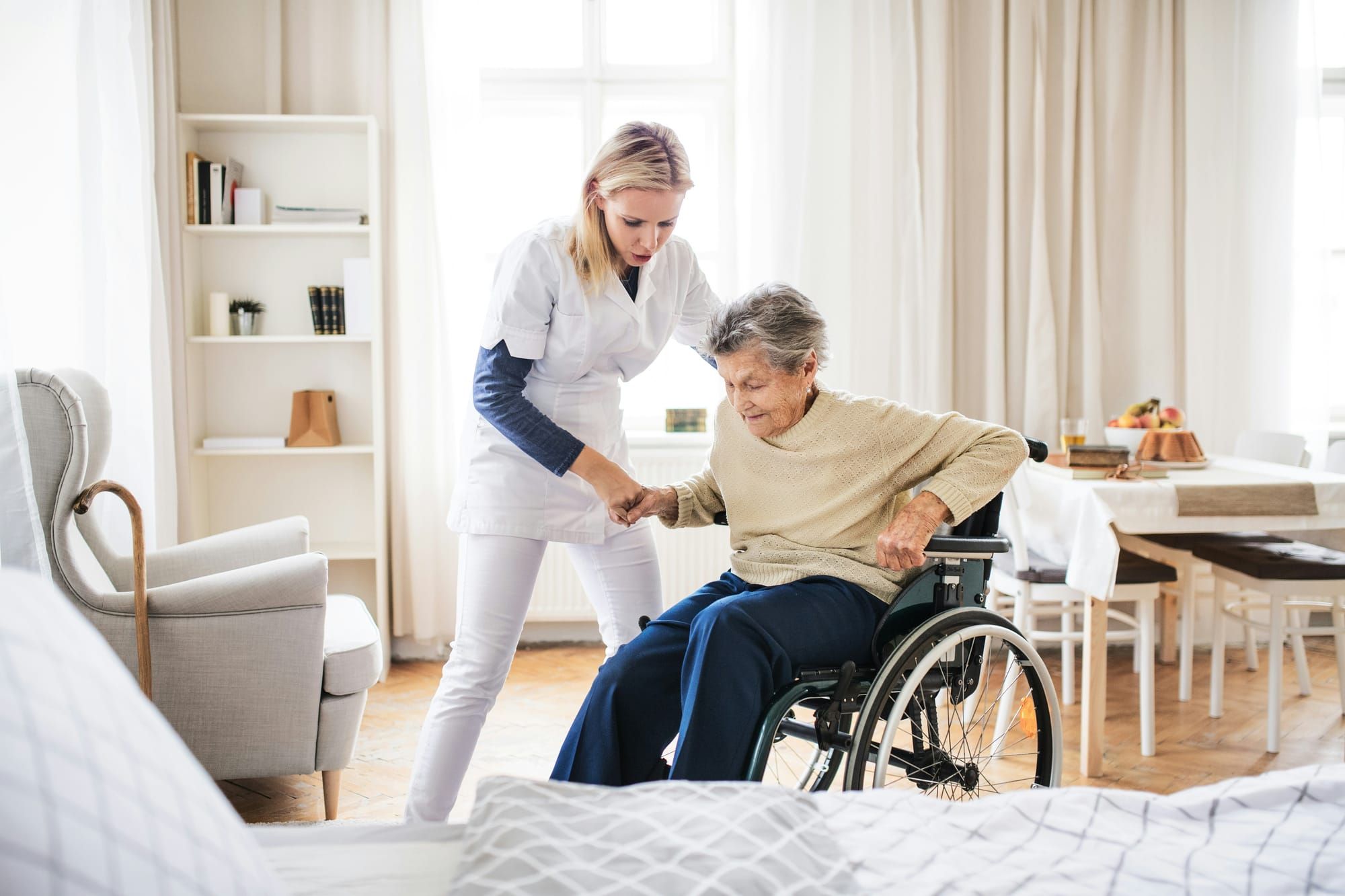
Coming home from hospital is a moment of relief, but it is rarely the end of the story. Whether after a hip replacement, a stroke, a fall or a serious illness, most people leave hospital with a recovery plan to follow: exercises from the physiotherapist, mobility goals, new medication, perhaps wound care or dietary advice.
And here is the thing that determines so much: whether that plan is actually followed, day after day, once someone is home and on their own. The first weeks after discharge are when recovery is really won or lost, and they are also when many people are at their most vulnerable and least able to manage alone.
This is exactly where live-in rehabilitation care can make a profound difference.
Why the weeks after discharge matter so much
Hospital discharge often happens quickly, and it can leave families anxious. Your loved one may be weaker than before they went in, unsteady on their feet, tired, and on new medication, with a list of instructions to follow at a time when they are least equipped to follow them.
Without support, all sorts of things can go wrong. Exercises get skipped. Medication is muddled. Meals are missed. A fall sets recovery back weeks, or lands someone back in hospital. Confidence drains away. It is a common and disheartening pattern, and it is largely preventable.
With the right support at home, recovery has every chance of going the way it should.
Supporting the plan the hospital has set
An important point first: your loved one's rehabilitation plan is set by the professionals who know their case, the hospital team, physiotherapists, occupational therapists and GP. A live-in carer does not replace them, and does not prescribe therapy.
What a carer does is just as vital. They make sure the plan is actually carried out, consistently and safely, in the home, every single day. Clinicians design the recovery. A carer helps your loved one live it.
What that looks like day to day
A live-in carer supporting recovery might:
- Encourage and support the prescribed exercises, gently and consistently, as set out by the physiotherapist, at the right frequency, and with the right safety support.
- Help with mobility, supporting safe walking, transfers and the use of aids such as frames or sticks, rebuilding strength and confidence step by step.
- Manage medication, making sure new or changed medicines are taken correctly and on time, which matters enormously after a hospital stay.
- Support nutrition and hydration, with proper meals to fuel healing, and any dietary requirements the hospital has advised.
- Help prevent falls, keeping the home safe and being on hand at the risky moments, since a fall in the early weeks can undo weeks of progress.
- Support personal care, including washing and dressing, while protecting dignity and comfort.
- Get your loved one to appointments, including follow-ups, physiotherapy and check-ups.
- Watch for warning signs, noticing any change in condition, wound concern, infection or setback, and raising it promptly with the GP or clinical team.
- Provide encouragement, which matters more than people realise. Recovery is tiring and often disheartening, and a kind, motivating companion helps someone keep going on the days they would rather not.
Recovery is often short-term care
Something worth knowing: rehabilitation care does not have to be a long-term commitment. Many families use live-in care as a temporary, respite-style arrangement, purely for the recovery period, perhaps a few weeks after discharge, until their loved one is back on their feet.
Our minimum is two weeks, and from there you can continue for as long as it is genuinely helpful. Many people need just a short stretch of intensive support to get properly back on track. Others discover that they rather like having the help, and choose to continue. Either way, there is no long-term commitment. You can read more in our guide to the minimum cover time for live-in care.
Recovering at home, not in a facility
Some people leave hospital and go to a residential rehabilitation or step-down facility. For others, that is neither necessary nor what they want.
Recovering at home has real advantages. People often rest better, eat better and feel more themselves in familiar surroundings, and they benefit from one-to-one attention rather than shared staff. Home is also, for many, simply where they most want to be, and comfort and morale are not small factors in getting well again.
Working with everyone involved
Good recovery care is a team effort. A live-in carer works alongside the hospital discharge team, community nurses, physiotherapists, occupational therapists and your loved one's GP, following their guidance and keeping them informed of progress or concerns.
We are also careful to get the handover right at discharge, particularly around medication, so that nothing is missed as your loved one moves from hospital back to home. You can read more in our guide to what happens when someone is discharged from hospital.
Peace of mind for families
For families, this kind of support lifts an enormous weight. Instead of worrying whether Dad is doing his exercises, taking his tablets, eating properly or at risk of falling, you know that someone capable is there, day and night, making sure recovery is on track. And you get to be family again, encouraging and enjoying his progress, rather than policing a list of instructions.
Giving recovery the best chance
The weeks after a hospital stay can shape everything that follows. With consistent, expert support at home, your loved one has the best possible chance of a full recovery, and of getting back to the life and independence they had before.
If someone you love is coming home from hospital and could use support through their recovery, we would be glad to help, and we can often arrange care quickly.
Book a free care advice call, or give us a ring on 020 3970 9900.
This guide offers general information and is not medical advice. Your loved one's rehabilitation plan should always be set and overseen by their hospital team, GP or therapists.