Osteoporosis and Fracture Risk: What Families Should Know

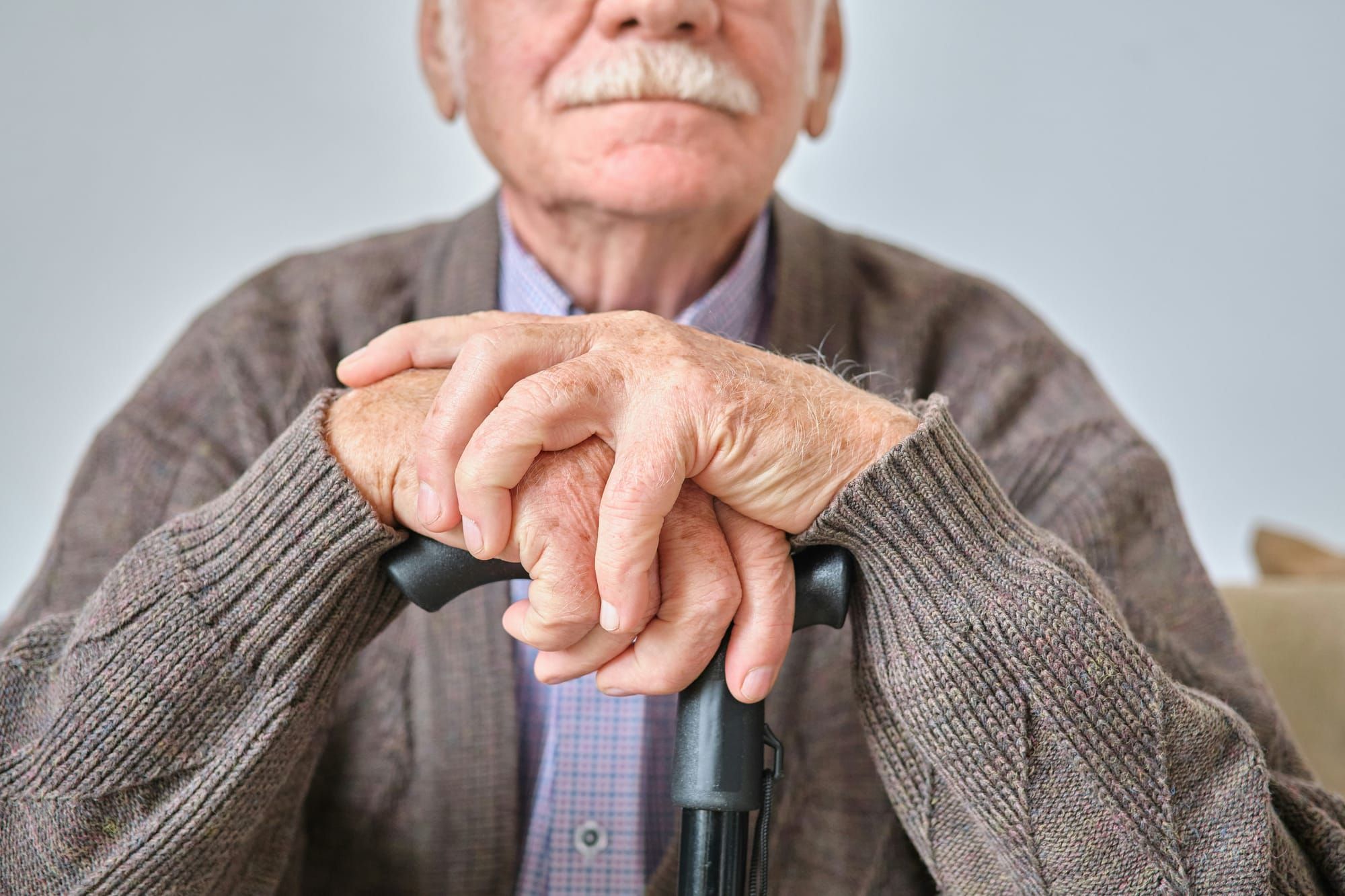
Osteoporosis is one of the most common conditions of older age, and one of the most consequential, because it makes bones fragile and prone to breaking. A fracture, and a hip fracture in particular, can be genuinely life-changing for an older person, affecting their independence and wellbeing profoundly.
Yet osteoporosis often goes unnoticed until a bone breaks, and, importantly, there is a great deal that can be done to protect against it. Here is what families should know, and how to help a loved one stay strong and safe.
What is osteoporosis?
Osteoporosis is a condition in which bones gradually become weaker, less dense and more fragile, so that they break more easily than healthy bones would. Our bones naturally lose some density as we age, but with osteoporosis this process is more pronounced.
It is often described as a "silent" condition, because it usually causes no symptoms at all until a bone breaks. Many people simply do not know they have it until a fracture reveals it. Osteoporosis is very common in older people, and especially in women after the menopause, though men are affected too.
Why it matters: fracture risk
The real significance of osteoporosis lies in the fractures it can lead to. When bones are fragile, they can break from a relatively minor fall, a knock, or sometimes with very little force at all. The most common breaks are in the hip, the wrist and the spine.
Hip fractures in particular are serious in older people. They are a major cause of hospital admission, and they can lead to a significant loss of independence, a difficult recovery, and lasting decline. This is exactly why protecting against fractures matters so much: it is really about protecting an older person's independence, mobility and quality of life.
Who is at greater risk
Some things make osteoporosis and fractures more likely, and being aware of them helps:
- Age, as bone density naturally declines over time
- Being female, particularly after the menopause
- A family history of osteoporosis
- Certain medical conditions and medications, such as long-term steroid use
- Lifestyle factors, including smoking, heavy drinking, low levels of calcium and vitamin D, and inactivity
- A previous fracture, or a low body weight
Often silent, so know the signs and get checked
Because osteoporosis usually has no symptoms until a break occurs, it is worth being alert to possible signs, such as a bone that breaks unexpectedly easily from a minor fall, a noticeable loss of height, or a developing stoop in the posture.
If your loved one has risk factors, or you have any concerns, it is well worth raising it with their GP. The GP can assess their risk and, if appropriate, arrange a bone density scan to check. This matters because there are effective treatments available that can strengthen bones and reduce the risk of fractures, so getting a diagnosis genuinely helps. Any treatment is a matter for the GP, but the important thing is not to leave osteoporosis unrecognised.
Protecting bones and preventing fractures
Alongside any medical care, there is a great deal that helps protect bones and, above all, prevent the falls that cause most fractures:
- Preventing falls. Since most fractures result from falls, this is the single most important thing. A safe home with good lighting, no trip hazards, grab rails where helpful, and safe footwear makes an enormous difference, as does steady support with walking and moving about. Our guide to making a home safe for an older person has much more.
- Supporting bone health. A balanced diet with plenty of calcium and vitamin D supports bone strength, as does some safe weight-bearing activity, and getting a little sunlight, all as appropriate for your loved one. Not smoking and limiting alcohol help too.
- Following medical advice. Taking any prescribed medication or supplements as directed, and keeping up with GP reviews, all play their part.
How a live-in carer helps
A live-in carer can be a real ally in protecting a loved one against fractures. Perhaps most importantly, a carer helps prevent falls, keeping the home safe and free of hazards, providing a steady hand and reliable support with walking and moving, and staying alert to anything that raises the risk of a stumble.
Beyond that, a carer supports bone health day to day, preparing nourishing, calcium-rich meals, encouraging safe activity and time outdoors, and helping with any prescribed medication or supplements. And should a fall ever happen, having someone right there means help is immediate, which can make a real difference to the outcome. A carer also supports your loved one to get to appointments, and, after any fracture, can help greatly with recovery at home. Our guide to rehabilitation care at home explains more about recovery support.
All of this reduces both the risk of fractures and the constant worry that families understandably carry about falls.
Strong and safe for longer
Osteoporosis is common, but it is far from a helpless situation. With awareness, the right medical support, and sensible steps to protect bones and prevent falls, the risk of fractures can be greatly reduced, helping your loved one stay strong, mobile, independent and safe for longer.
If you are concerned that a loved one may be at risk, a conversation with their GP is the place to start. And if you would like to talk through how we help keep the people we care for safe and well at home, we would be very glad to help.
Book a free care advice call, or give us a ring on 020 3970 9900.
This guide offers general information and is not medical advice. For assessment, diagnosis and treatment of osteoporosis, and for advice on diet, supplements or exercise, please speak to your loved one's GP or healthcare team.