Live-in care vs. care home: Which option is right?

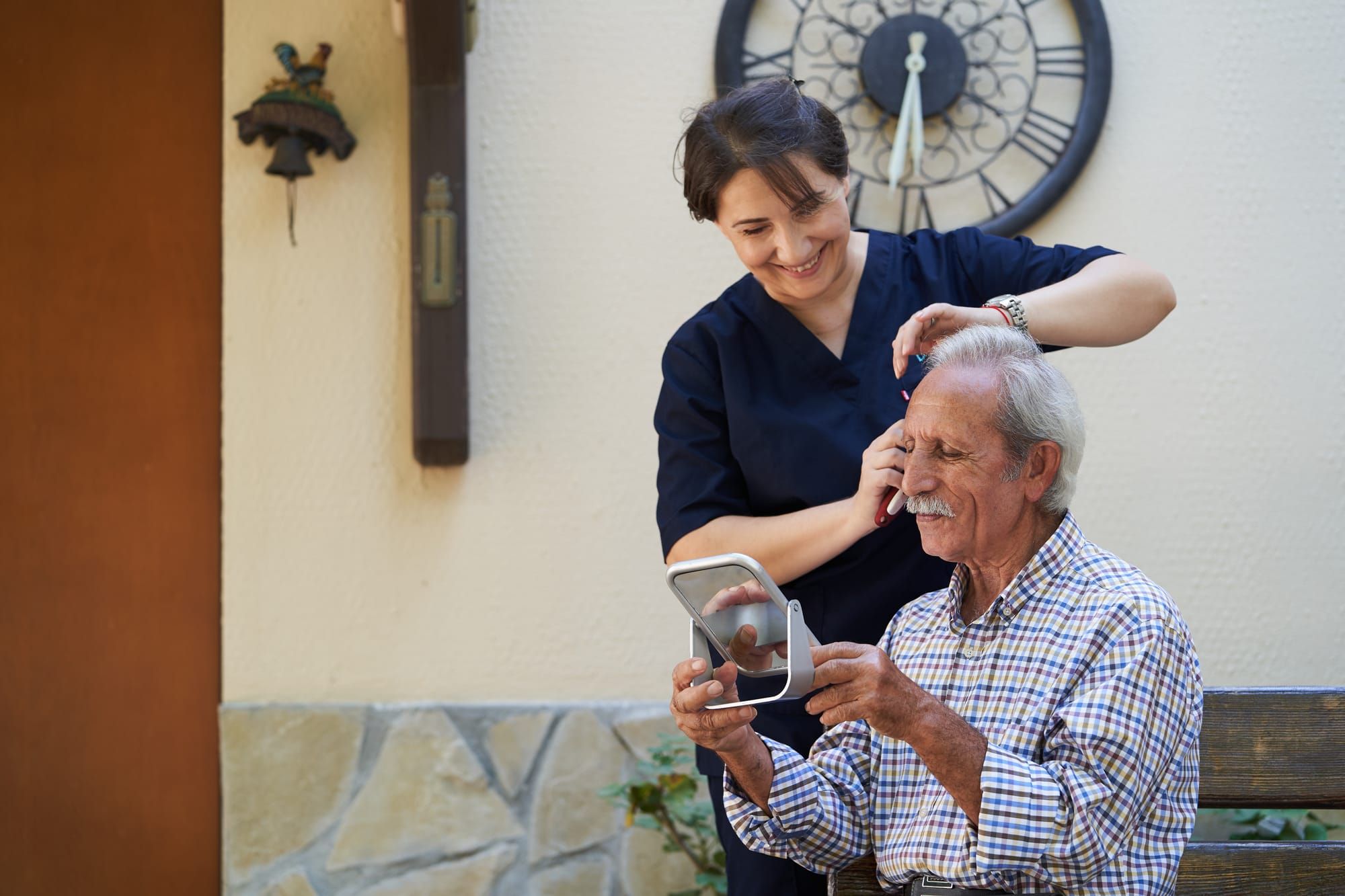
One of the first big decisions families face when care becomes necessary is a choice with no obvious answer: does someone stay at home with care support, or move into a residential care home? Both have real advantages, and which is right depends entirely on the person involved and what matters most to their family.
More families than ever are choosing to keep someone at home with professional support, not because care homes are bad, but because staying home has become a realistic option in a way it wasn't before. That said, it is important to acknowledge that a residential care home is the right choice for some people and some situations.
The choice between the two often comes down to a few core questions: Does the person want to stay at home? Do they (and the family) value having a familiar environment and maintaining existing routines? Is continuity of care with one person important? How much does control over day-to-day life matter?
This guide looks at both options as fairly as we can, so families have the information to work out what fits.
Care homes: What they offer
A residential care home provides 24-hour professional care in a purpose-built or adapted environment. Residents have their own bedroom and bathroom, and share communal spaces, such as living areas, dining facilities, with other residents. Care is delivered by teams of staff who work shifts to ensure round-the-clock cover. Depending on the home's level of care provision, this might include nursing staff and therapists on site.
The main advantages:
A care home offers a secure, monitored environment with immediate access to trained staff at any hour. There's no worry about gaps in cover or whether someone is managing alone. Many residents appreciate the built-in social structure, involving having other people around, shared mealtimes, and organised activities. The home covers utilities, maintenance, and day-to-day household management, which removes a whole layer of practical worry. For families living at a distance, the peace of mind can be substantial.
The main challenges:
The biggest one is moving away from home. Leaving the place where someone has built a life, raised children, and accumulated memories is genuinely hard. Some people settle quickly, while others struggle with the transition for a long time. There's also the reality that shared communal living isn't for everyone, and some people find it constraining rather than comforting. Couples sometimes face the prospect of having to physically separate if one partner has higher care needs. And there's less day-to-day autonomy, as routines tend to be structured around the home's operations rather than the individual's preferences.
Live-in care at home: What it offers
Live-in care is when a professional carer moves into someone's home to provide support, companionship and practical help. The person receiving care stays in their own environment, carrying on with their established routines, seeing friends and family in familiar surroundings, and maintaining as much independence as they choose. A carer trained in their specific needs provides one-to-one support, tailored to what matters to that person.
With a CQC-registered provider like Edyn, it starts with a personalised care plan built together with the person receiving care, their family, and any other professionals involved. The carer works to the outcomes that matter, not just meeting care tasks, but enabling the life the person wants to live.
The main advantages:
The person stays at home. That single fact carries enormous weight for many families, as it's where they feel safe, where their things are, where they can control what happens and when. They get a primary carer who gets to know them, their routines, their personality, rather than a shift system where different staff come and go. They can maintain friendships, hobbies, and connections to their community without having to relocate or uproot their life. Couples can stay together. Family members can visit anytime without navigating institutional visiting rules. The daily rhythm belongs to them, not the care provider.
There's also flexibility. If someone wants to change their routine, take a trip, or do something differently on a particular day, a live-in carer can adapt, and this kind of spontaneity is harder in a residential setting.
Also, a common misconception is that live-in care costs more than traditional care homes and facilities. The truth is quite different to what most people expect: live-in care can often be cheaper than residential care, and this is especially true for couples.
The main challenges:
Live-in care requires a spare room and a clean bathroom, as the carer needs somewhere comfortable to sleep. If nighttime care is needed, that demands a trained person being present through the night, which some families find intrusive. And yes, having someone else living in the home is a significant change to family life, even when it's the right choice.
Families are often surprised that the cost of live-in care is often comparable to residential home fees, and sometimes cheaper.
A note on security and monitoring
Care homes provide a secure environment and constant staff presence, which matters for some people and some conditions. If someone is at high risk of falls, or living with advanced dementia, or needs immediate medical intervention, that safety net can feel essential. Live-in care can address many of these concerns through training, environmental adaptations, and the consistent presence of a trained carer, but it's different from the 24/7 staffed environment a home provides.
Making the choice
Neither is universally right or wrong. The question is what's right for this person, in this situation, with this family. Some conversations to help:
- What does the person want? This is the starting point. Do they want to stay home? Would they prefer the structure and social life of a home? Are they uncertain?
- What does the family need? Families have different capacities, different geographic spread, different comfort with having someone live in.
- What are the practical constraints? Does someone have a spare room? Is there the budget for live-in care? Are there specific care needs that point toward one option?
- Can you try it? Some families start with live-in care at home and later move to a home, or vice versa. The decision doesn't have to be permanent.
Getting help with the decision
If you're weighing this up, our Family Care Advisors can help. They've worked with families in exactly this position, and they're familiar with both options. A conversation with them can help you work through what matters and what's realistic for your situation with no pressure to choose either way.
Book a care consultation or call us on 020 3970 9900.