How to make a home safe for the elderly

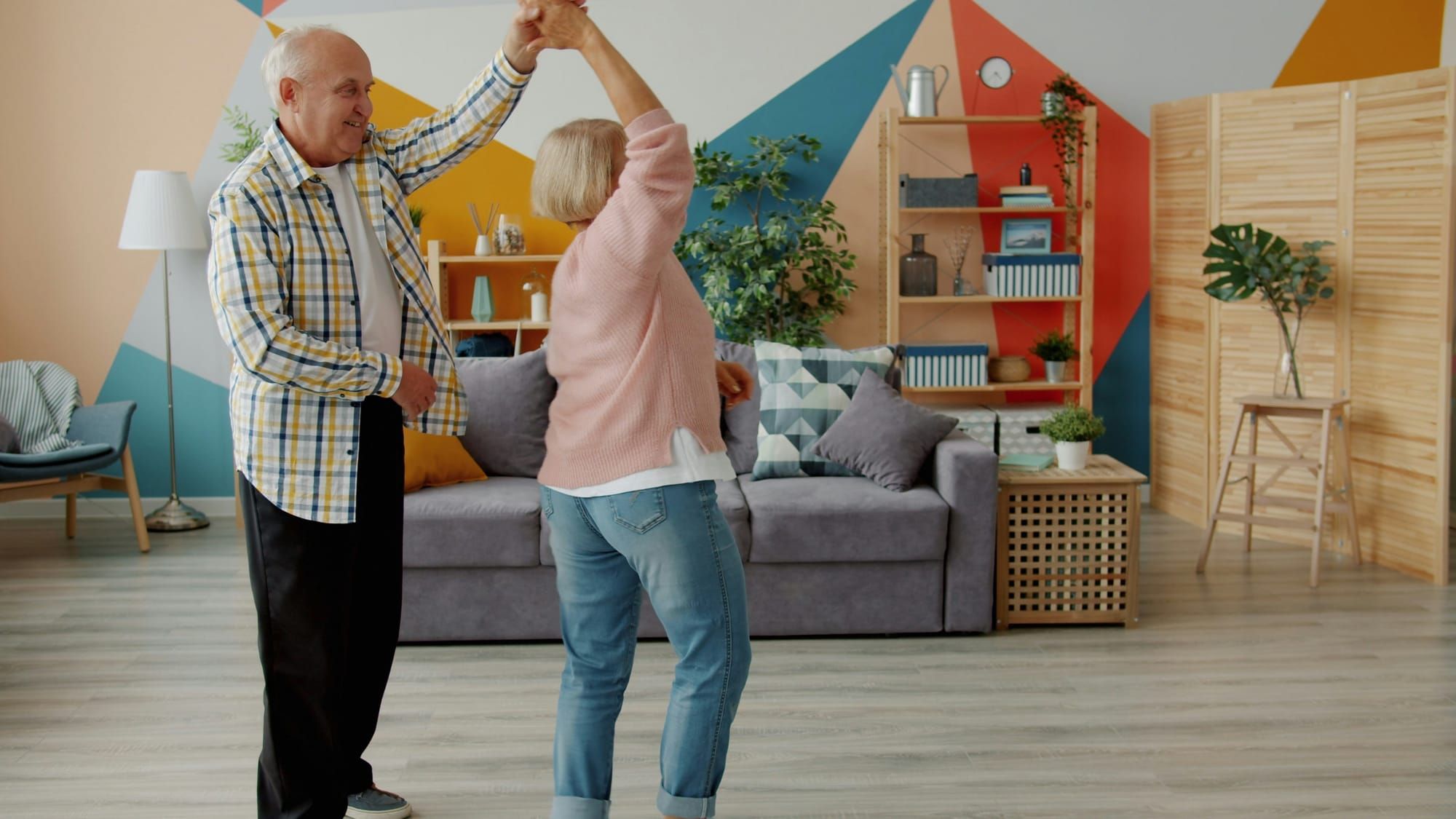
Home should be the place we feel safest of all, and with a few thoughtful changes, it can stay exactly that, well into later life. For older people, a home that's set up well isn't just about avoiding accidents; it's what allows someone to keep their independence, their confidence and their freedom to carry on living life their own way.
The most common worry, understandably, is falls. Falls are the leading cause of injury in older people, and the great majority happen at home, but the encouraging news is that most are preventable. A little attention to the right details can dramatically reduce the risk. Here's a practical, room-by-room guide to making a home safer for an older loved one.
Start with lighting
Good lighting is one of the simplest and most effective changes you can make, because so many trips and falls come down to simply not seeing a hazard.
- Make sure every room, hallway and staircase is brightly and evenly lit.
- Place lamps or switches within easy reach of the bed and favourite chairs.
- Add night lights or motion-sensor lights along the route from the bedroom to the bathroom: a common spot for night-time falls.
- Keep a torch handy by the bed in case of a power cut.
- Replace bulbs promptly, and consider brighter, longer-lasting LED bulbs.
Clear the floors and walkways
Cluttered or uneven floors are a leading cause of trips. The goal is clear, predictable paths through every room.
- Remove or securely tape down loose rugs and mats, which are a frequent culprit.
- Tuck away trailing cables and wires.
- Keep walkways clear of clutter, boxes and stray furniture.
- Repair any loose or frayed carpet and uneven flooring.
- Be mindful of pets, who can easily get underfoot.
Make stairs and hallways secure
Stairs deserve special attention, as a fall here can be serious.
- Fit sturdy handrails on both sides of the staircase.
- Ensure stairs are well lit, with switches at the top and bottom.
- Consider marking the edge of each step with a contrasting strip to make them easier to see.
- Keep stairs completely clear: never use them for storage.
- Where stairs become too difficult, a stairlift can be a wonderful way to keep the whole home accessible.
The bathroom: the highest-risk room
Wet, hard surfaces make the bathroom one of the riskiest rooms in the house, and one where a few adaptations make an enormous difference.
- Install grab rails by the toilet, bath and shower.
- Use non-slip mats in the bath, shower and on the floor.
- Consider a raised toilet seat, a shower seat, or a walk-in shower or wet room for easier, safer access.
- Fit lever-style taps, which are easier for stiff or arthritic hands.
- Set the water temperature to avoid scalding, and consider a thermostatic mixer.
Keep the kitchen safe
The kitchen combines hot surfaces, sharp tools and the temptation to reach or stretch.
- Store everyday items at waist or counter height, to avoid bending low or reaching high.
- Never rely on a wobbly chair or step stool: keep a stable step with a handle if needed.
- Consider appliances with automatic shut-off, and be vigilant about the cooker and hob.
- Keep a fire blanket within easy reach.
The bedroom
A few small touches help, especially at night.
- Make sure the bed is at a comfortable, easy-to-rise height.
- Keep a lamp and a phone within arm's reach of the bed.
- Ensure a clear, well-lit path to the bedroom door and on to the bathroom.
Living areas
- Choose stable, supportive chairs of a good height, ideally with armrests to help getting up.
- Arrange furniture to leave wide, clear walkways.
- Make sure frequently used items: glasses, remote, phone, a glass of water, are easy to reach.
Helpful aids and technology
A little technology can add a great deal of reassurance, for your loved one and for you.
- A personal alarm or pendant (some with automatic fall detection) lets someone call for help instantly if they fall or feel unwell.
- A key safe by the door means family or carers can get in during an emergency without a key being left unsafely.
- Telecare systems can monitor for falls, movement or other concerns and alert a family member or response centre.
- Don't overlook the basics: working smoke alarms and a carbon monoxide detector on every floor, tested regularly.
Fire, heating and security
- Test smoke and carbon monoxide alarms monthly, and replace batteries promptly.
- Have heating systems and electrics checked regularly, and take care with portable heaters and electric blankets.
- Keeping warm matters: older people are more vulnerable to the cold, so make sure the home can be heated comfortably, especially in winter.
- For security and peace of mind, consider a door chain or video doorbell, so your loved one never feels they have to open the door to a stranger.
It's not only the home: it's the person, too
Some of the most effective safeguards have nothing to do with the building:
- Footwear: well-fitting, non-slip shoes and slippers make a real difference; avoid loose or backless slippers.
- Eyesight: regular eye tests and up-to-date glasses help spot hazards.
- Staying active: gentle exercise that builds strength and balance is one of the best ways to prevent falls.
- Medication: keep medicines organised (a pill organiser helps) and review them with a GP or pharmacist, as some can affect balance.
A word on adaptations and funding
For bigger changes, an occupational therapist can assess the home and recommend the right adaptations, and you can often request this through your GP or local council's adult social care team. Some home adaptations may be eligible for financial help, such as a Disabled Facilities Grant from your local council, so it's well worth asking what support is available before paying privately.
When a little extra help makes the biggest difference
All of these changes reduce risk, but there's one safeguard that goes further than any handrail or alarm: simply having someone there.
A live-in carer is, in many ways, the ultimate home safety measure. They're on hand day and night to help with mobility, to assist safely with washing and dressing, to spot and remove hazards before they cause harm, and, crucially, to respond immediately if something does go wrong. For families, that around-the-clock presence turns constant worry into genuine peace of mind.
At Edyn, making sure the home is safe is built into how we begin. When our care manager carries out a care assessment, checking that the home is a safe and suitable place for care is part of the process, and we'll happily talk through any adaptations or changes that could help your loved one stay safe and independent at home.
Let's help your loved one stay safe at home
If you'd like to talk through how live-in care could help keep someone you love safe, well and independent in their own home, we're always glad to help.
Book a free care advice call, or give us a ring on 020 3970 9900. We'll be happy to share friendly, practical advice with no pressure at all.