Heatwave safety for older adults

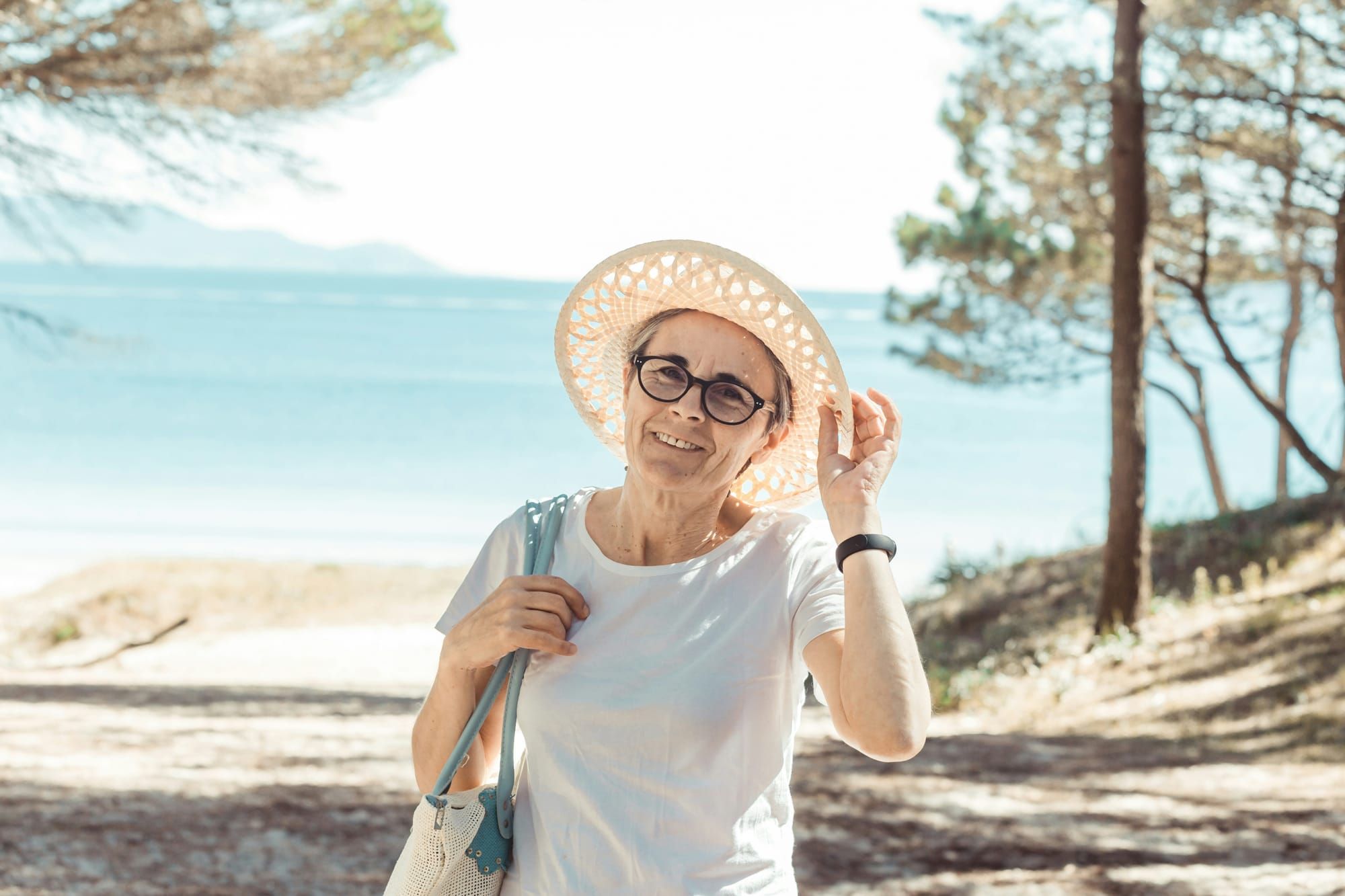
When the summer sun arrives, it is tempting to think of hot weather as nothing but a treat. But for older adults, a heatwave can be genuinely dangerous. Our bodies become less able to cope with heat as we age, and every summer, hot spells pose real risks to older people's health.
The reassuring news is that, with a little awareness and some simple steps, those risks can be greatly reduced. Here is how to help an older loved one stay safe, cool and well when the temperature climbs.
Why older adults are more at risk
It helps to understand why heat affects older people more than the rest of us. As we age, the body becomes less efficient at regulating its own temperature and at sweating to cool down. Older people also tend to feel thirst less strongly, so they may not drink enough without realising it. Add in common long-term conditions (such as heart, lung or kidney problems), certain medications that affect hydration or temperature, reduced mobility that makes cooling down harder, and, for some, the memory difficulties of dementia, and it becomes clear why hot weather deserves to be taken seriously.
Keeping hydrated
Staying hydrated is the single most important thing. Encourage your loved one to drink plenty of fluids throughout the day, ideally water, even when they do not feel thirsty. A few simple habits help:
- keep a drink within easy reach and offer one regularly
- include water-rich foods like fruit, salads and soups
- ice lollies and watered-down squash can be a nice way to top up fluids
- go easy on alcohol and too much caffeine, which can be dehydrating
Keeping cool
Alongside fluids, the aim is simply to keep cool. During a heatwave, help your loved one to:
- stay out of the sun during the hottest part of the day, roughly between 11am and 3pm
- rest in the shade or the coolest room in the house
- wear light, loose, cool clothing
- cool down with a cool shower or bath, or a damp cloth on the skin, neck and wrists
Keeping the home cool
A few small adjustments make a big difference to the temperature indoors. Close curtains and blinds on sun-facing windows during the day to keep the heat out, and open windows to let cooler air in during the evening and night when the temperature drops. A fan can help the air feel fresher, though in very extreme heat fans become less effective, so they are best used alongside the other steps rather than relied on alone.
A few more sensible steps
- Plan any outings, errands or activities for the cooler morning or evening, and avoid anything too strenuous in the heat.
- If going outside, use sun protection: a hat, sunscreen and shade.
- Check with a GP or pharmacist about any medications that may need extra care in hot weather, and make sure medicines are stored correctly, as some need to be kept cool.
Check in regularly
If your older loved one lives alone, try to check on them at least once a day during a hot spell, either in person or with a phone call. Heat can build up gradually, and someone who does not feel the thirst or the warmth strongly may not notice they are struggling until they are quite unwell. A regular check-in can catch problems early.
Know the warning signs
This part is genuinely important, so it is worth knowing what to look out for.
Heat exhaustion is the early warning stage. Signs include tiredness, dizziness, a headache, feeling sick, heavy sweating, muscle cramps, and being very thirsty. If you spot these, move your loved one somewhere cool, help them cool down and sip some water, and let them rest. They should start to feel better within about 30 minutes.
Heatstroke is a medical emergency. Call 999 immediately if your loved one does not improve after 30 minutes of cooling, or if they show signs such as confusion, a very high temperature, skin that is hot to the touch, not responding normally, or rapid breathing. While you wait for help, keep cooling them down as much as you can.
How live-in care helps
Hot weather is one of those times when having someone on hand really matters. A live-in carer is there throughout the day to make sure your loved one keeps drinking, stays cool and comfortable, and that the home stays as cool as possible. Just as importantly, they are trained to spot the early signs of heat-related illness and to act quickly if needed.
This can be especially reassuring for anyone whose loved one lives alone, has dementia, or has limited mobility, and who might not manage all of this on their own. And for family who cannot always be there during a heatwave, it offers real peace of mind.
Enjoying the summer safely
A heatwave does not have to be a source of worry. With a little planning and attention, your loved one can enjoy the warmer months safely and comfortably. And if you would like some extra support keeping them well, whatever the weather, we are always here to help.
Book a free care advice call, or give us a ring on 020 3970 9900.
This guide offers general information and is not a substitute for medical advice. For the latest heat-health guidance, and advice on specific symptoms or conditions, please see the NHS website or speak to a GP or pharmacist. In an emergency, call 999.