End-of-life care at home

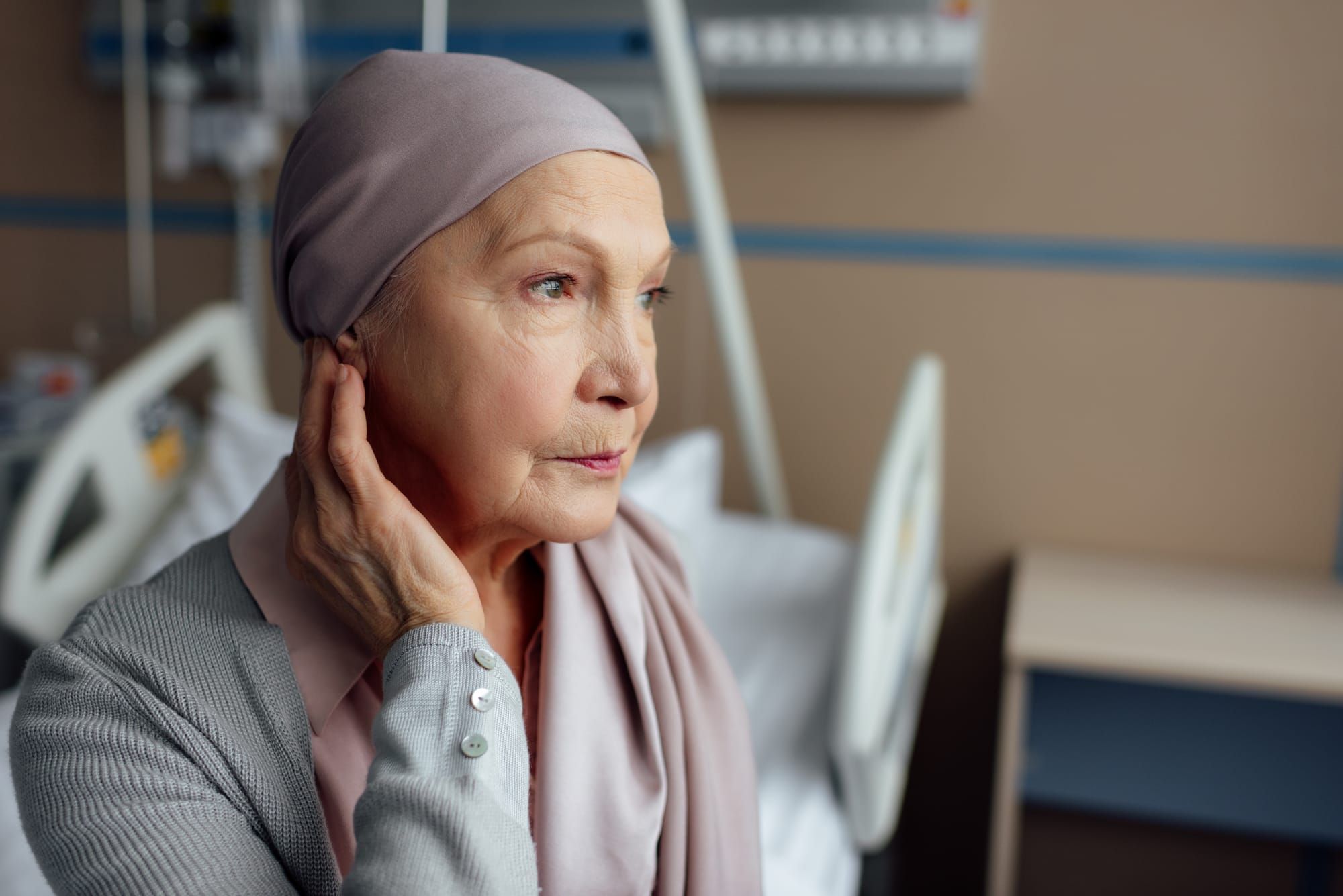
There are few times in life harder than knowing someone you love is approaching the end of theirs. Amid the sadness and the many questions, most families find themselves holding on to one simple, deeply human wish: for their loved one to be comfortable, to keep their dignity, and, wherever possible, to spend their final chapter in the place they feel safest and happiest, at home.
This guide is here to help you understand what end-of-life care at home involves, how live-in care can support it, and where to turn for help.
What is end-of-life care?
End-of-life care is the support given to someone in the last stage of a life-limiting illness: helping them to live as well and as comfortably as possible, with dignity, for whatever time they have left. It's a part of what's known as palliative care.
The two terms are often used together, so it helps to understand the difference. Palliative care is the broader idea: support for anyone living with a serious or terminal illness, which can begin at diagnosis and continue for months or even years, often alongside other treatment. End-of-life care is the part of that journey that focuses on the final phase, usually someone's last weeks or months. In short, all end-of-life care is palliative, but not all palliative care is end-of-life care.
What both share is a holistic approach. Good end-of-life care looks after the whole person: not just their physical comfort, but their emotional, social and spiritual wellbeing too, along with the needs of the family around them. It's about helping someone live fully and peacefully right to the end, and to go with dignity, surrounded by what matters to them.
The wish to be at home
When people are asked where they would most like to be cared for, and where they would like to die, the great majority say the same thing: at home. And with the right support in place, that wish is often very achievable.
It's not hard to see why home means so much at this time. It's the familiar bedroom and the morning light through the same window. It's having family and friends able to come and go freely, without visiting hours. It's the pets, the garden, the photographs on the wall: a lifetime of belonging, gathered in one place. For many, being at home brings a sense of peace and control that's hard to find anywhere else.
Live-in care is one of the ways families can make staying at home possible, even as needs increase.
How live-in care supports end-of-life care at home
A live-in carer provides round-the-clock, one-to-one support in your loved one's own home, and at the end of life, that constant, gentle presence can be profoundly reassuring. Importantly, a live-in carer works as part of a wider team, alongside the medical professionals who lead on clinical care.
The carer's role is to look after the day-to-day human side of care with warmth and dignity:
- Helping with personal care, washing and dressing, always preserving comfort and dignity
- Assisting with eating, drinking and medication as directed by the medical team
- Keeping your loved one comfortable, and noticing and reporting any changes
- Offering companionship, conversation and a calm, familiar presence, day and night
- Maintaining the routines, rituals and small pleasures that make life feel like life
- Being there in the night, so your loved one is never alone
Alongside the carer, your loved one's healthcare is overseen by professionals who specialise in it: the GP, who usually holds overall responsibility; district or community nurses, who manage pain and symptoms; and, where needed, specialist palliative care teams or hospice services, who bring expert support. Organisations such as Marie Curie and Macmillan can also provide invaluable nursing and emotional support. A live-in carer complements all of this, providing the continuous personal care and companionship that holds everything together between visits.
Supporting the whole family
End-of-life care isn't only for the person who is unwell: it's for everyone who loves them. This is often an exhausting and emotional time for families, and one of the quiet gifts of live-in care is that it allows you to step back from the role of carer and simply be family again: a daughter, a son, a husband, a friend.
With a professional carer managing the practical demands and keeping watch through the night, family members can rest, gather, and spend their remaining time together focused on what truly matters: being present, sharing memories, and saying the things that need to be said.
A note on funding
Many families worry about cost at an already overwhelming time. It's worth knowing that end-of-life care at home may be funded by the NHS.
Through NHS Continuing Healthcare, the NHS can fund a full package of care for people with significant health needs, and it isn't means-tested. For those whose condition is changing rapidly, there's a Fast Track process designed to put funding and care in place quickly, often within a day or two, so that support doesn't have to wait. The best first step is to speak to your GP or community nursing team, who can begin this process. You can read more about the wider picture in our guide to your funding options.
How Edyn can help
At Edyn, we provide compassionate live-in care that can include end-of-life support, working hand in hand with your loved one's GP, nurses and palliative care team. We understand how precious and delicate this time is, and we approach it with all the gentleness, respect and professionalism it deserves.
Because consistency matters more than ever now, each person is cared for by a small, settled care team, so the faces around your loved one stay familiar and trusted. And our dedicated care managers handle the coordination and practicalities with sensitivity, so your family can focus on being together.
It would be our privilege to help your loved one spend this time in comfort, with dignity, in the home they love.
We're here when you need us
Reaching out at a time like this isn't easy, and there's no pressure of any kind. Whenever you feel ready, whether you have questions or simply want to talk things through, our care advisors are here to listen and to help, with warmth and understanding.
You can reach us on 020 3970 9900, or book a quiet conversation at a time that suits you.