Companionship as care: why loneliness is a health issue too

When families think about care, they usually think about the practical things: help with washing and dressing, medication, meals, mobility, safety. All of it matters enormously. But there is another part of care that is easy to underestimate, and it may be just as important to your loved one's health as any of it.
Companionship.
It is tempting to think of company as a pleasant extra, the nice-to-have that sits alongside the "real" care. The evidence says otherwise. Loneliness is not just sad. It is genuinely bad for our health, and easing it is one of the most valuable things good care can do.
Loneliness in later life is common, and often hidden
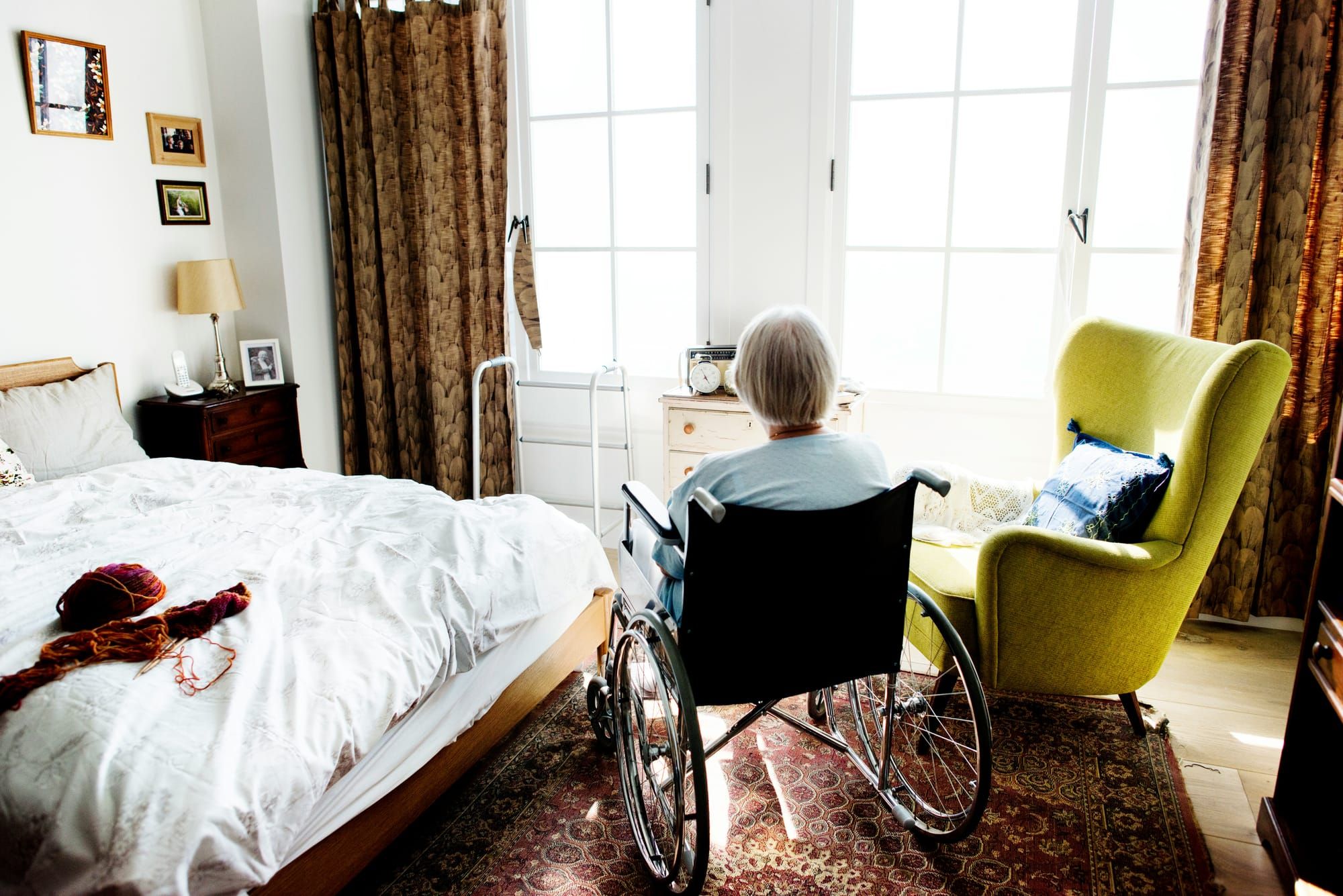
A great many older people are lonely, and the reasons are painfully understandable. Friends and partners pass away. Children move to other cities. Mobility declines, and getting out becomes harder. Driving stops. Hearing or sight loss makes conversation more difficult. Slowly, a life that was once full of people can grow very quiet.
What makes it harder still is that loneliness often goes unspoken. Older people rarely announce it, and many would hate to feel they were complaining or being a burden. So it can hide in plain sight, even from a loving family.
Loneliness affects physical health, not just mood
Here is the part that surprises people. Loneliness and social isolation are consistently linked with poorer physical health, not just lower spirits. Research has associated them with a higher risk of heart disease and stroke, of depression and anxiety, of cognitive decline and dementia, and even with a shorter life. Some researchers have compared the impact of chronic loneliness on mortality to that of well-known risks like smoking.
It is worth being careful here: these are associations, and the relationship is complex, since poor health can cause isolation just as isolation can worsen health. But the broad picture is well established and consistent. Company is not merely pleasant. It is protective.
There are practical knock-on effects too. A lonely person may eat less well, move less, skip medication, drink more, or let a health problem go unmentioned. Someone with company tends to eat better, stay more active, keep their mind engaged, and have someone who notices when something is not right.
Why this matters so much for care
Once you see loneliness as a health issue, it changes what "good care" means. A person can be perfectly clean, well-fed and safely medicated, and still be quietly withering from a lack of human contact. Meeting only physical needs is not, in the end, the whole of care.
This is a real limitation of short, task-focused visiting care. When a carer comes in for half an hour, does what needs doing and leaves, the tasks may be complete, but the day is still long, and the house is still empty. The rest of those hours are spent alone.
Why live-in care is different
This is where live-in care offers something that other forms of care simply cannot: constant, genuine human company.
A live-in carer is not a visitor. They share the home and the day. That means someone to talk to over breakfast, someone to watch the news with, someone to share a cup of tea and a memory with, someone who takes an interest in your loved one's stories and listens to them properly. It means a companion for a walk, a partner for a crossword, someone to help them get out and see friends, and to keep them connected to family.
And it means someone who is there, quietly and reliably, so the house is never empty and the day is never silent.
Real companionship is more than presence
True companionship is not just occupying the same room. It comes from a genuine relationship, which is exactly why careful matching matters so much. A carer matched thoughtfully to your loved one's personality, interests and background can become a real friend, someone whose company is a pleasure rather than merely a comfort.
That is why we take such care in matching, considering not only skills but interests, temperament and shared ground. Time and again, this is what turns a professional arrangement into a genuinely warm relationship, and it is the thing families most often tell us they are grateful for. You can read more in our guide to deciding on the right carer for you.
Companionship helps families, too
There is another benefit worth mentioning. When a loved one has good company every day, families often feel their own worry ease. The nagging thought of Mum sitting alone in a silent house, hour after hour, is one of the hardest things for families to carry, particularly those who live far away. Knowing that someone kind is with her, chatting and keeping her company, brings a peace of mind that is hard to overstate.
Company is care
So if you are weighing up care for someone you love, do not think of companionship as the soft, optional part of the package. It may be one of the most powerful things you can give them: something that lifts their spirits, protects their health, keeps their mind engaged, and makes their days worth looking forward to.
Good care feeds people, keeps them safe and helps them stay well. Great care also makes sure they are not alone.
If you would like to talk through how live-in care could bring both support and companionship to someone you love, we would be glad to help.
Book a free care advice call, or give us a ring on 020 3970 9900.
This guide offers general information and is not medical advice. If you are worried about a loved one's physical or mental health, please speak to their GP.